Conflict in North Darfur, Sudan, has intensified, casting a shadow over Eid celebrations in Tawila refugee camps, where thousands of displaced Sudanese are struggling to find safety and basic necessities. The worsening humanitarian crisis is raising concerns about regional stability, with ripple effects on global markets and investor confidence.
The violence in North Darfur, which has seen clashes between armed groups and government forces, has displaced over 200,000 people this year alone, according to the UN. Tawila, one of the largest refugee camps, is now home to tens of thousands of families who have fled the fighting. With limited access to food, water, and medical care, the situation is deteriorating rapidly.
North Darfur developments explained
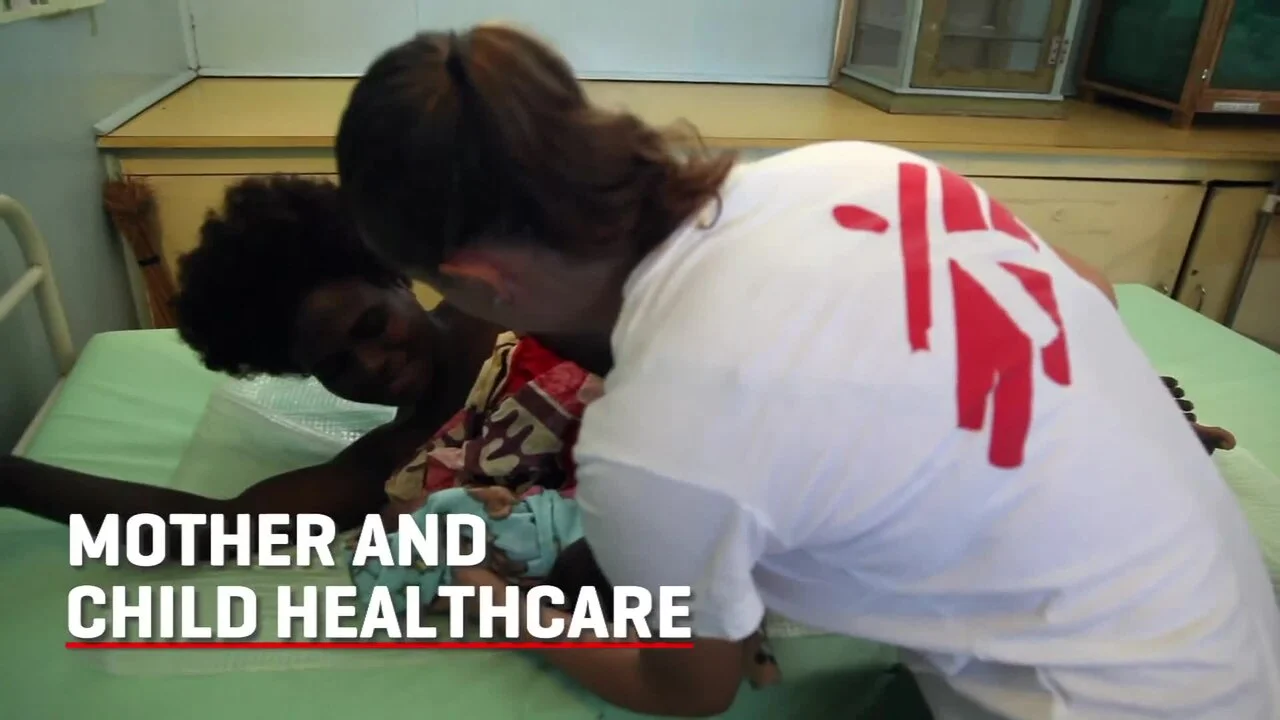
North Darfur, a region in western Sudan, has long been a hotspot for conflict, with tensions between local tribes, armed militias, and government forces. The area has seen multiple waves of violence, including the 2003-2010 Darfur conflict, which led to the displacement of millions. Recent developments, however, suggest a new escalation in hostilities, driven by competition over resources and political instability.
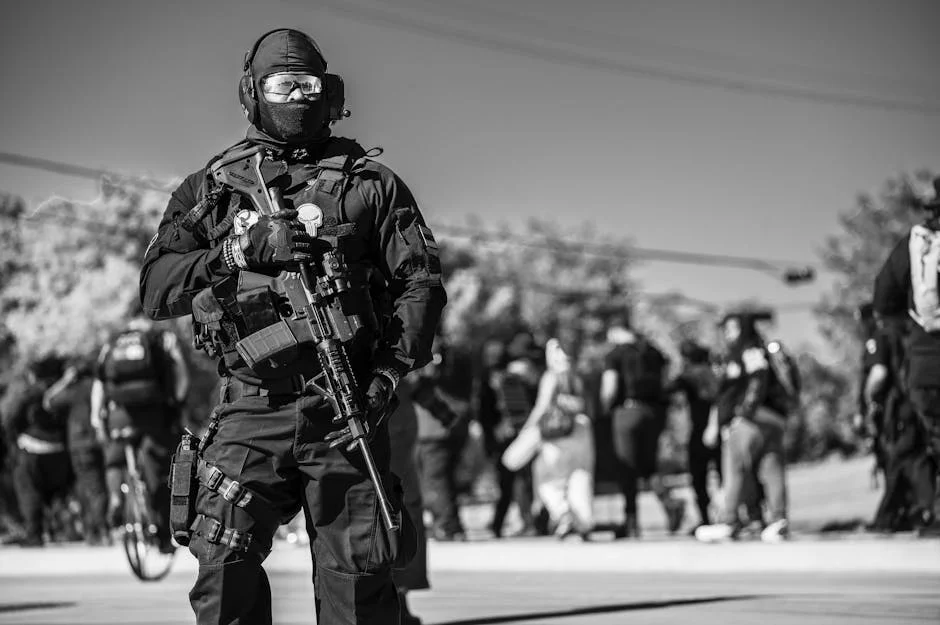
Local officials report that clashes between the Rapid Support Forces (RSF) and the Sudanese Armed Forces (SAF) have intensified in the region, with both sides accusing each other of targeting civilians. The lack of a clear ceasefire has left communities in a state of constant fear, with many families unable to return to their homes.
The situation in North Darfur is not just a local issue but has broader implications for regional trade and investment. The area is a key transit point for goods moving between Sudan, Chad, and the Central African Republic. Disruptions in the region can affect supply chains, increasing costs for businesses and reducing economic growth in the region.
In Sudan impact on SG
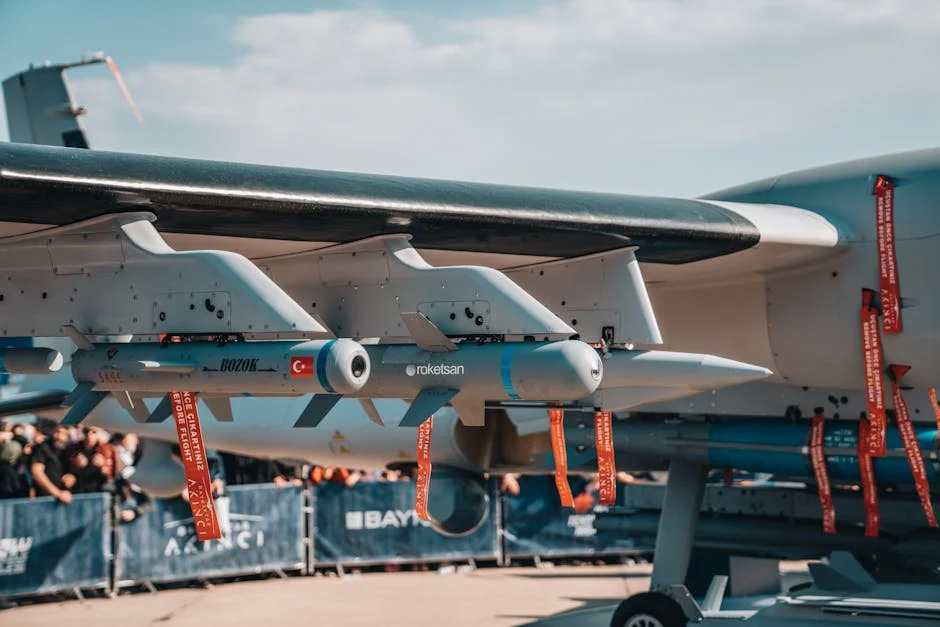

The conflict in Sudan, particularly in North Darfur, is having a direct impact on Singapore’s economic interests. As a global trade hub, Singapore has significant exposure to the region through its shipping and logistics networks. The instability in Sudan could disrupt maritime routes and increase insurance costs for vessels passing through the Red Sea and Gulf of Aden.
Investors are also taking note of the growing risks. Singapore-based companies with operations in Sudan or regional trade partners are reassessing their exposure. A recent report by the Singapore Economic Development Board warned that prolonged conflict could lead to a decline in foreign direct investment in the region, affecting long-term economic growth.
Additionally, the humanitarian crisis in Sudan is likely to increase the demand for aid and relief efforts, which could strain international donor budgets. This, in turn, may lead to reduced funding for development projects in other parts of the world, including Southeast Asia.
In Sudan analysis SG
Analysts in Singapore are closely monitoring the situation in Sudan, particularly the impact on regional trade and investment. According to a report by the Singapore Institute of International Affairs, the conflict is a key risk factor for businesses operating in the Horn of Africa. The report highlights the need for companies to diversify their supply chains and invest in risk mitigation strategies.
“The situation in North Darfur is a microcosm of the broader instability in Sudan,” said Dr. Lim Wen Hui, a regional economist at the Institute. “If the conflict continues, it could lead to a prolonged economic downturn, affecting not just Sudan but the entire region.”
Investors are advised to remain cautious and monitor developments closely. The Singapore Exchange (SGX) has issued a statement urging investors to review their portfolios and consider the geopolitical risks associated with Sudan and its neighbors.
What is North Darfur and why it matters
North Darfur is one of the 18 states of Sudan, located in the western part of the country. It has been at the center of the Darfur conflict, which began in 2003 and resulted in the deaths of over 300,000 people and the displacement of millions. The region is known for its vast desert landscapes, oil reserves, and strategic location near the borders of Chad and the Central African Republic.
The ongoing violence in North Darfur is not only a humanitarian crisis but also a major economic concern. The region’s instability affects trade routes, agricultural production, and access to critical infrastructure. With the conflict showing no signs of resolution, the long-term economic outlook for the area remains uncertain.
For Singapore and other global economies, the situation in North Darfur serves as a reminder of the interconnectedness of regional conflicts and global markets. As the world watches, the economic and humanitarian consequences of the conflict will continue to unfold, with far-reaching implications for businesses and investors alike.
Frequently Asked Questions
What is the latest news about sudan conflict deepens as eid celebrations turn to sorrow in tawila camps?
Conflict in North Darfur, Sudan, has intensified, casting a shadow over Eid celebrations in Tawila refugee camps, where thousands of displaced Sudanese are struggling to find safety and basic necessities.
Why does this matter for politics-governance?
The violence in North Darfur, which has seen clashes between armed groups and government forces, has displaced over 200,000 people this year alone, according to the UN.
What are the key facts about sudan conflict deepens as eid celebrations turn to sorrow in tawila camps?
With limited access to food, water, and medical care, the situation is deteriorating rapidly.