The rise in jihadist violence in Nigeria and the Democratic Republic of the Congo (DRC) last year has raised concerns among global investors and economic analysts, even as overall global terror-related deaths declined. The increase in violence in West Africa and Central Africa has prompted fears of regional instability, which could have ripple effects on trade, investment, and economic growth in Southeast Asia, particularly Singapore.
According to the Global Terrorism Index, jihadist groups in Nigeria and the DRC were responsible for a sharp rise in attacks, with a 30% increase in violence compared to 2022. In Nigeria, Boko Haram and its splinter group, the Islamic State West Africa Province (ISWAP), have intensified operations in the north, while in the DRC, the Allied Democratic Forces (ADF) have expanded their presence in the east. These developments have led to increased displacement, disrupted supply chains, and heightened security risks for businesses operating in the region.
Regional Security Concerns and Economic Impact

The spike in violence in Nigeria and the DRC has raised alarms for regional economic stability. Nigeria, Africa's largest economy, is a key trading partner for many Southeast Asian countries, including Singapore. Disruptions in trade, such as those caused by security threats, could lead to increased costs and delays for businesses reliant on goods and services from the region. Additionally, the rise in instability may deter foreign direct investment, as investors seek more stable markets.
Investors are also watching closely the potential for spillover effects into neighboring countries. Burkina Faso, for instance, has seen a significant rise in jihadist activity in recent years, with attacks increasing by over 50% since 2021. The country is a major producer of gold and cotton, and its economic instability could affect global commodity prices, indirectly impacting Singapore's import-dependent economy.
Market Reactions and Investment Risks


Global markets have responded cautiously to the growing security threats in West and Central Africa. In the past year, stock indices in emerging markets have shown increased volatility, with some investors shifting funds to safer assets. For Singapore-based investors, the rise in jihadist violence in these regions adds another layer of risk to their portfolios, particularly in sectors such as mining, agriculture, and logistics.
Analysts warn that the economic consequences of prolonged violence could be severe. In Nigeria, for example, the ongoing conflict has already led to a decline in foreign investment and a slowdown in economic growth. With the country accounting for nearly 25% of Africa's GDP, any further instability could have broader implications for global markets, including Singapore's financial sector, which has significant exposure to African trade and investment.
What This Means for Singapore
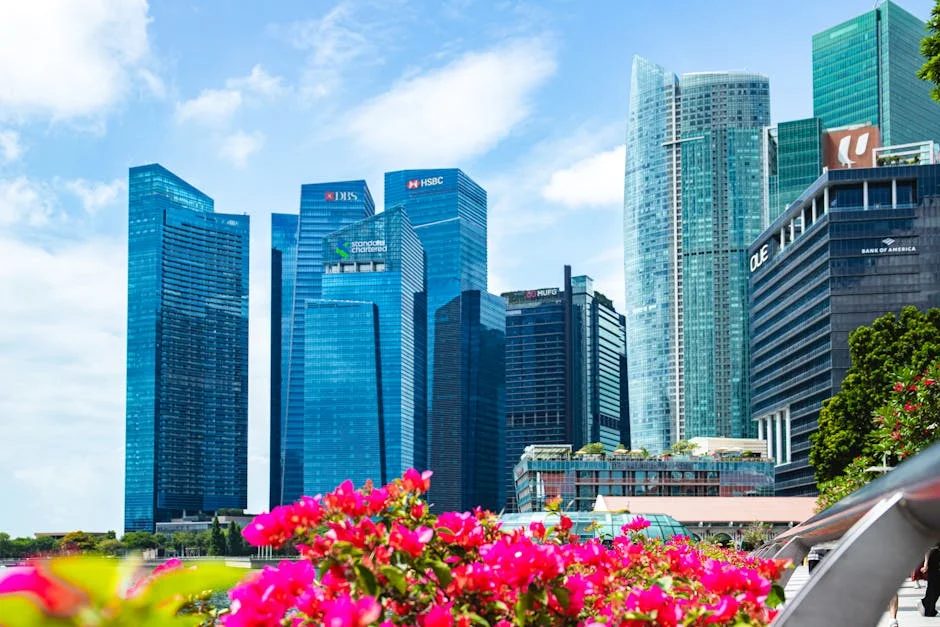
For Singapore, the rise in jihadist violence in Nigeria and the DRC is not just a regional concern—it has direct and indirect economic implications. As a global trade hub, Singapore is deeply connected to African markets, particularly through its role in facilitating trade and investment. Any disruption in these markets could lead to higher costs for businesses and consumers, as well as reduced economic growth.
Moreover, the instability in these regions could also impact Singapore's security and foreign policy. The country has been a strong advocate for international efforts to combat terrorism, and the rise in jihadist activity in Africa may prompt increased diplomatic and security cooperation with regional partners. This could lead to new trade agreements or investment opportunities, but also raise concerns about the long-term stability of key economic partners.
What to Watch Next
Investors and policymakers will be closely monitoring the situation in Nigeria, the DRC, and Burkina Faso in the coming months. The effectiveness of regional security forces, the response from international allies, and the potential for economic recovery will all play a role in shaping the future of these markets. For Singapore, the key challenge will be to navigate these uncertainties while maintaining its position as a stable and attractive destination for global investment.
As the situation in West and Central Africa continues to evolve, the economic consequences could extend far beyond the region. For businesses and investors in Singapore, the need to assess and manage these risks has never been more critical. The coming months will be crucial in determining how these developments will shape the global economic landscape.
Frequently Asked Questions
What is the latest news about jihadist violence rises in nigeria and drc as global terror deaths fall?
The rise in jihadist violence in Nigeria and the Democratic Republic of the Congo (DRC) last year has raised concerns among global investors and economic analysts, even as overall global terror-related deaths declined.
Why does this matter for economy-business?
According to the Global Terrorism Index, jihadist groups in Nigeria and the DRC were responsible for a sharp rise in attacks, with a 30% increase in violence compared to 2022.
What are the key facts about jihadist violence rises in nigeria and drc as global terror deaths fall?
These developments have led to increased displacement, disrupted supply chains, and heightened security risks for businesses operating in the region.