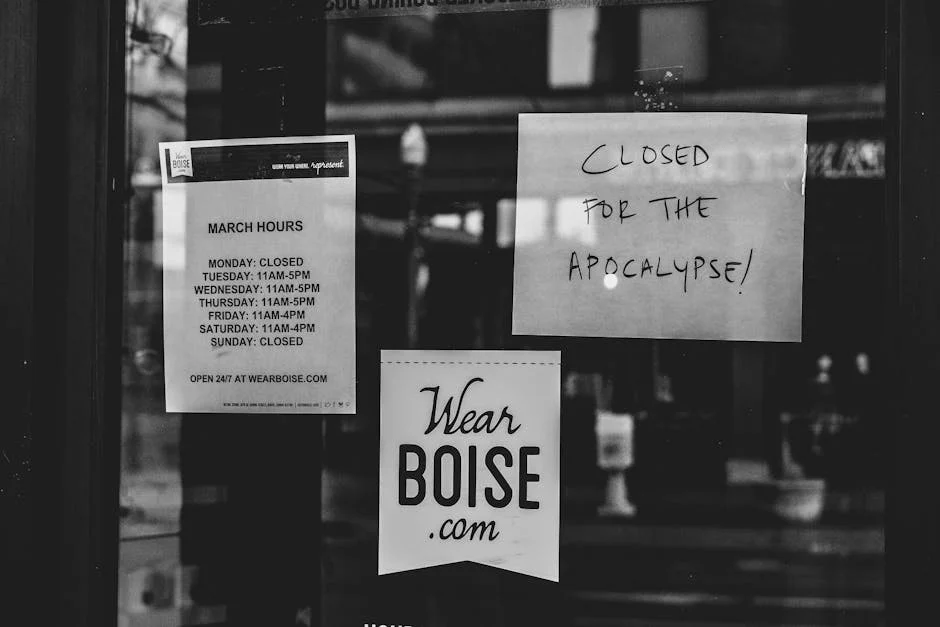
Iran has issued a new warning, threatening to target recreational and tourist sites worldwide, raising concerns about global security and economic stability. The statement comes amid heightened regional tensions and follows recent escalations in the Middle East. The threat has sent ripples through financial markets, with investors reassessing risks associated with travel and international trade.
Iran's Threat and Regional Tensions
The Iranian government has not provided specific details about the nature or timing of the potential attacks, but the warning has been interpreted as a strategic move to assert influence and deter foreign engagement in the region. The statement was made by a senior official in Tehran, who emphasized that Iran will not tolerate what it describes as Western interference in its affairs. This comes after a series of diplomatic and military actions by Iran in recent months, including attacks on oil facilities and tensions with the US and its allies.

Regional analysts suggest that the threat is part of a broader strategy by Iran to signal its capabilities and assert its role in the Middle East. The move has been condemned by several international bodies, including the UN Security Council, which has called for de-escalation. However, the lack of concrete evidence or a clear timeline has left many analysts and policymakers in a state of uncertainty.
Market Reactions and Investor Concerns


Global financial markets reacted swiftly to the news, with stock indices in Europe and Asia falling in early trading. The S&P 500 and FTSE 100 both experienced declines, reflecting investor fears of increased geopolitical risk. Oil prices also rose as traders anticipated potential disruptions in supply routes through the Strait of Hormuz, a key shipping lane.
Investors are now closely watching how the situation unfolds, particularly in relation to energy markets and global trade. The threat has led to increased volatility in currency markets, with the US dollar and safe-haven assets like gold seeing a surge in demand. Analysts warn that prolonged uncertainty could lead to broader economic slowdowns, particularly in sectors reliant on international travel and trade.
Impact on Businesses and Tourism
The tourism sector is one of the most vulnerable to the threat, with travel companies and airlines already adjusting their strategies. Major international airlines have issued travel advisories, while some tour operators have paused operations in the Middle East. The potential for attacks on tourist sites could have long-term implications for the region's tourism industry, which is a key source of revenue for many countries.
Businesses with global operations are also reassessing their risk exposure. Companies in the hospitality, retail, and transportation sectors are increasing security measures and re-evaluating their presence in high-risk areas. In Singapore, where many multinational corporations have regional headquarters, executives are closely monitoring the situation and considering contingency plans.
What This Means for the Economy
The economic implications of the threat extend beyond immediate market fluctuations. Increased security costs, reduced consumer confidence, and disrupted trade could all contribute to slower economic growth. In Singapore, where trade and investment are central to the economy, any disruption in regional stability could have a ripple effect on global supply chains.
Policy makers are also under pressure to respond. The Singapore government has reiterated its commitment to regional stability and is working with international partners to de-escalate tensions. However, the broader economic impact will depend on how the situation evolves and whether diplomatic efforts can prevent further escalation.