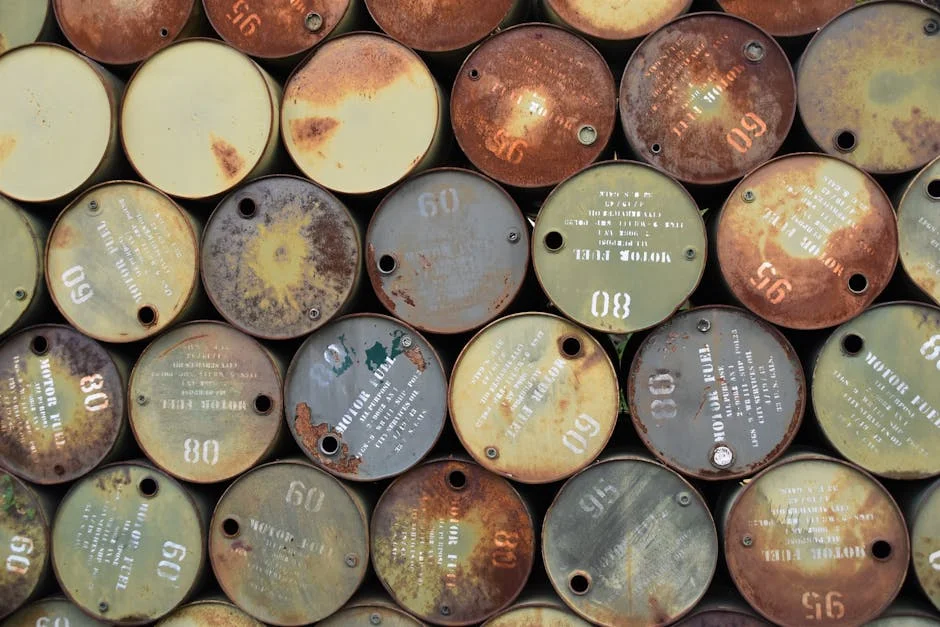
Asian markets showed mixed performance today as geopolitical tensions in the Middle East weighed on investor sentiment. Oil prices fell to $107 per barrel amid persistent concerns over potential conflict involving Iran, while US futures rose slightly. The situation has raised questions about the broader economic and market implications, particularly for regions like Singapore, which is closely tied to global trade and energy flows.
Market Volatility Amid Regional Tensions
Investors in Hong Kong and other Asian markets remained cautious as the situation in the Middle East escalated. The conflict between Israel and Iran has led to increased uncertainty, with markets reacting to the potential for disrupted supply chains and higher energy costs. This has resulted in a mixed performance across regional indices, with some sectors showing resilience while others declined.

Analysts noted that while the direct impact on Asian markets is limited, the ripple effects of rising oil prices could be significant. Higher energy costs often lead to increased production expenses for businesses, which may be passed on to consumers, contributing to inflationary pressures. This, in turn, could influence central bank policies and interest rate decisions in the region.
China's Role in Regional Stability
China, as a major global economy and trading partner, plays a critical role in shaping the market response to regional tensions. Despite the uncertainty, Chinese markets remained relatively stable, reflecting investor confidence in the country's economic resilience. However, the potential for prolonged conflict in the Middle East could affect China’s energy imports and trade routes, which are vital to its manufacturing and export sectors.
Experts suggest that China’s economic policies, including its Belt and Road Initiative, could be affected if global trade routes are disrupted. This highlights the importance of monitoring how geopolitical events in the Middle East influence China’s economic strategy and its impact on Singapore and other regional economies.
Investor Sentiment and Risk Management
Investors are increasingly focused on risk management strategies amid the heightened geopolitical uncertainty. With oil prices fluctuating and regional tensions unresolved, many are looking to diversify their portfolios to mitigate potential losses. This has led to increased interest in defensive assets, such as gold and government bonds, which are seen as safer havens in times of market volatility.
For Singapore-based investors, the situation underscores the need for a balanced approach to portfolio management. Given the country’s strong ties to global markets, any significant shift in investor sentiment could have direct implications on local businesses and financial institutions. As such, staying informed about global market trends is essential for making sound investment decisions.
Global Economic Implications
The ongoing tensions in the Middle East have broader economic implications beyond the immediate market reaction. Rising oil prices can lead to higher inflation, which may prompt central banks to adjust their monetary policies. This could affect interest rates, borrowing costs, and overall economic growth in both developed and emerging markets.
For Singapore, a major financial hub, the economic impact of these developments will depend on how global markets stabilize and how businesses adapt to changing conditions. The country’s economy is highly sensitive to external shocks, making it crucial for policymakers and investors to remain vigilant in the face of evolving geopolitical risks.
What to Watch Next
Investors and analysts are closely monitoring developments in the Middle East, particularly the actions of key players like Iran and Israel. Any escalation in the conflict could lead to further market volatility, while de-escalation could bring some relief to global markets. Additionally, the response from major economies, including the United States and China, will be a key factor in shaping the market outlook.
As the situation unfolds, it will be important to track how oil prices evolve and how this affects global trade and investment flows. For Singapore and its regional partners, staying informed and adaptable will be crucial in navigating the challenges and opportunities presented by this dynamic economic environment.