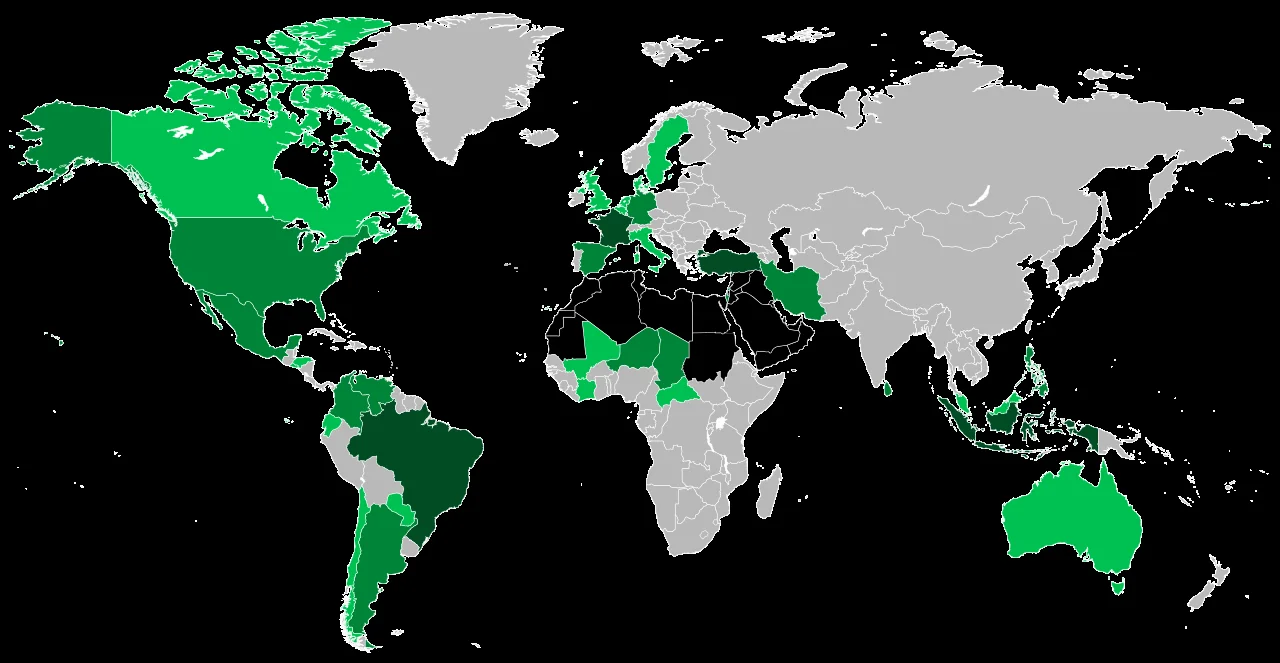
The United States has confirmed it will maintain fuel exports to global markets, a decision that has triggered immediate reactions in energy sectors, trade dynamics, and investor confidence. The move, announced by the Department of Energy, comes amid rising geopolitical tensions in the Middle East and a surge in demand from Asian economies. Analysts warn the policy could reshape supply chains and influence oil prices, directly impacting businesses and investors in Singapore and beyond.
US Policy Shifts Amid Geopolitical Pressures
The US government’s decision to sustain fuel exports follows a strategic review of energy security measures. According to a statement released on 15 October 2023, the administration prioritized maintaining stable supply routes to counter disruptions caused by conflicts in the Red Sea and OPEC+ production cuts. This aligns with broader efforts to reduce reliance on Russian oil, which has seen a 12% decline in European imports since 2022. The policy also reflects domestic industry lobbying, with major energy firms like ExxonMobil and Chevron expressing support for expanded export capabilities.

Market analysts highlight that the US is now the world’s top crude oil producer, accounting for 18% of global output in 2023. By keeping export volumes steady, the US reinforces its role as a key supplier to Asia, where demand is projected to grow by 4.5% annually. However, this could strain regional energy markets, particularly in Southeast Asia, where Singapore’s refining sector faces competition from cheaper Middle Eastern and US-sourced fuels.
Economic Implications for Global Markets


The sustained exports are expected to influence global oil prices, which have fluctuated between $75 and $85 per barrel this year. A report by the International Energy Agency (IEA) notes that increased US supply could temper price volatility, but risks exacerbating inflation in import-dependent economies. For Singapore, a major energy trading hub, the policy may drive shifts in cargo routes and storage contracts, with some firms relocating operations to Asia-Pacific hubs to capitalize on proximity to US suppliers.
Investors are closely monitoring the impact on energy stocks. The S&P 500 Energy Index rose 3.2% in October following the announcement, outperforming the broader market. However, concerns about long-term demand for fossil fuels persist, with renewable energy investments in the US surging by 22% in 2023. This duality creates a complex landscape for portfolio managers balancing short-term gains against climate-related risks.
Business Strategies Amid Supply Chain Reconfigurations
Businesses in Singapore and the wider region are recalibrating supply chain strategies to adapt to the US export policy. Shipping companies like Maersk and CMA CGM are expanding routes to accommodate increased cargo volumes from Texas and Louisiana terminals. Meanwhile, local refineries are negotiating longer-term contracts with US suppliers to secure stable pricing, a move that could reduce exposure to volatile regional markets.
The decision also raises questions about energy security for Southeast Asian nations. Indonesia, for instance, has historically relied on Middle Eastern oil but now faces pressure to diversify suppliers. A 2023 study by the Asian Development Bank found that 65% of ASEAN countries view US energy exports as a critical factor in their long-term planning. However, infrastructure bottlenecks and regulatory hurdles may slow full integration into US supply networks.
Investor Perspectives and Risk Assessments
From an investment standpoint, the US fuel export policy presents both opportunities and risks. While energy sector ETFs have seen inflows, analysts caution against overexposure to cyclical assets. “The market is betting on short-term stability, but the transition to renewable energy remains a wildcard,” said Dr. Lena Park, a senior economist at DBS Bank. “Investors should hedge against potential regulatory shifts and technological disruptions.”
For Singapore-based funds, the policy underscores the need for diversified portfolios. The Singapore Exchange (SGX) has reported a 15% increase in energy-related ETF transactions since July 2023, with many investors opting for hybrid energy-renewable funds. Meanwhile, sovereign wealth funds like GIC are exploring partnerships with US energy firms to secure long-term returns while aligning with sustainability goals.
What’s Next for Energy Markets?
The coming months will test the resilience of global energy markets. Key developments to watch include OPEC+ meetings in November, which could adjust production targets, and US election outcomes that may alter energy policy. Additionally, the European Union’s carbon border tax, set to take effect in 2026, could reshape trade flows and pricing mechanisms. For Singapore, the focus will be on maintaining its role as a logistics and trading hub while navigating these shifting dynamics.
As the energy landscape evolves, stakeholders must balance immediate economic gains with long-term sustainability. The US export policy is a pivotal factor in this equation, with ripple effects spanning markets, businesses, and investor strategies. For now, the energy sector remains a barometer of global economic health, where every policy decision carries far-reaching consequences.