Houthis Ready to Block Hormuz Strait: Major Market Shakeup Looms
The Houthi Threat to Hormuz
The Houthi rebels in Yemen have declared their intention to block the strategic Hormuz Strait, a move that could send shockwaves through global markets and disrupt international trade. This development comes at a time when tensions between Iran and the United States remain high, making the potential closure of Hormuz a significant concern for businesses, investors, and the global economy.

The Hormuz Strait is a vital maritime chokepoint, connecting the Persian Gulf to the Arabian Sea. Approximately 20% of the world's oil supply passes through this narrow waterway, making it an essential artery for global energy flows.
Economic Repercussions
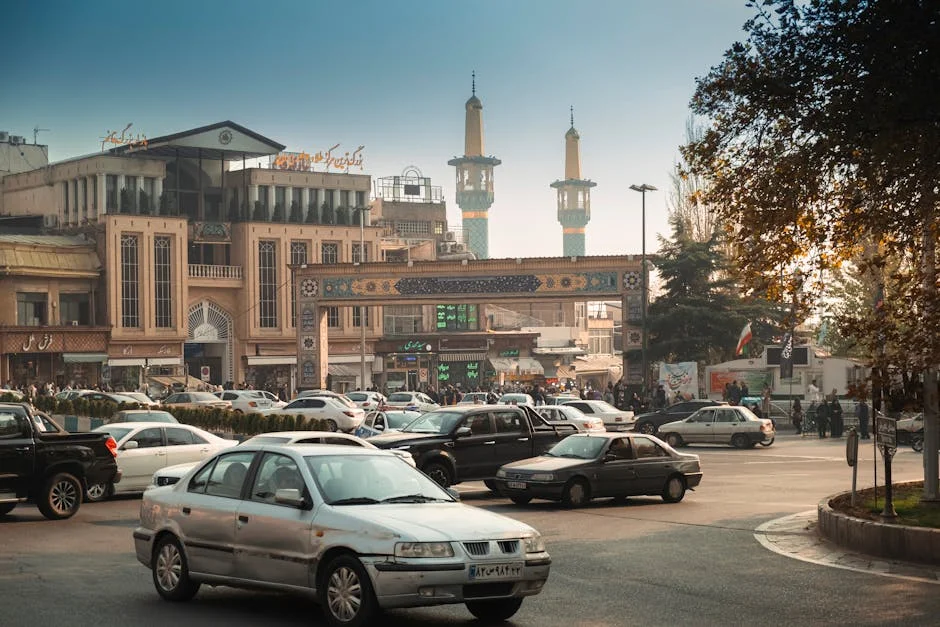

A closure of the Hormuz Strait would likely cause immediate spikes in oil prices, as the market reacts to reduced supply and heightened geopolitical risk. For Singapore, a major financial hub and trading centre, such an event would have profound effects. The city-state relies heavily on international trade and is home to numerous companies operating in the oil and gas sector.
Investors globally will be watching closely, with particular attention paid to how this event impacts the stock markets and currency values. The Singapore Exchange (SGX) could see increased volatility, especially in sectors linked to energy and shipping.
Business Implications
The threat from the Houthis poses significant challenges for businesses involved in maritime trade and logistics. Shipping companies and ports along the route will need to adapt quickly to new conditions, potentially increasing costs and altering shipping schedules. This could ripple out to affect a wide range of industries that depend on timely delivery of goods, from manufacturing to retail.
For example, Singapore’s port operations, already among the busiest in the world, may face increased congestion as ships seek alternative routes or delays as they navigate around the Hormuz Strait. This could lead to higher operational costs for businesses and slower supply chains.
Market Reactions
The potential for the Hormuz Strait to be blocked has already sparked some market movements, with traders and analysts adjusting their forecasts for oil prices and related commodities. Financial institutions in Singapore and elsewhere have started to factor in the possibility of higher fuel costs and supply chain disruptions.
Banks and financial services firms in Singapore, known for their robust financial infrastructure and deep connections to global markets, are well-positioned to manage the complexities brought about by the Hormuz situation. However, there may be opportunities for local businesses to capitalise on increased demand for certain services, such as insurance and logistics solutions.
Looking Ahead
The next few weeks will be crucial in determining how the Hormuz Strait situation unfolds. Diplomatic efforts between Iran, the United States, and other key players will be closely watched, as will any military actions taken by the Houthis. These factors will shape not just the immediate market reactions but also long-term economic strategies for businesses and investors.
In Singapore, the government and business community will continue to monitor developments closely, with a focus on maintaining the city-state’s position as a leading trade and financial centre despite any challenges posed by global events.