South Africa has seized four Chinese fishing vessels operating within its Exclusive Economic Zone (EEZ), raising questions about the impact on global fishing markets and potential economic repercussions.
South Africa's Action Against Chinese Fishing Vessels
The seizure of the Chinese vessels occurred following a routine patrol by South African authorities. The EEZ extends up to 200 nautical miles from the country’s coastline, providing it exclusive rights to exploit marine resources found there. This area is crucial for the local fishing industry and supports a significant portion of the nation's food supply and export earnings.
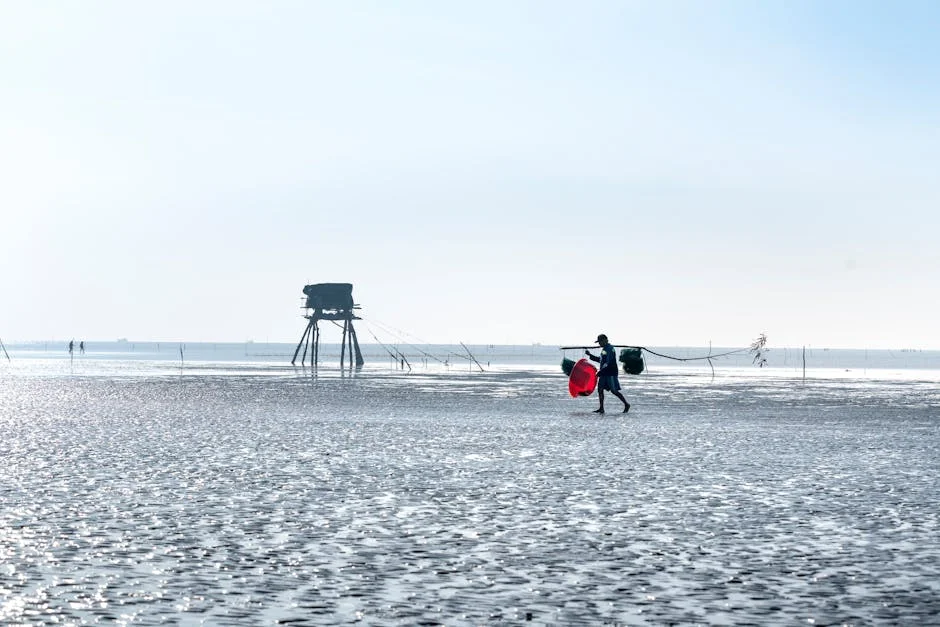
The Chinese fishing fleet, known for its extensive reach across the world's oceans, had been operating in South Africa’s EEZ without permission, leading to the enforcement action taken by the South African government.
Economic Impact on Global Fishing Markets


The seizure of the Chinese vessels is likely to have an impact on the global fishing markets. China is the largest seafood producer in the world, accounting for around 60% of the global catch. Any disruption to the operations of Chinese fishing fleets can therefore have ripple effects throughout the international seafood trade.
The Chinese fishing vessels operate in many countries' EEZs, often engaging in long-distance voyages to reach optimal fishing grounds. Their presence in South Africa’s waters underscores the interconnectedness of global fishing industries and highlights the importance of maintaining clear and consistent regulations governing access to marine resources.
Business Implications for Local Fisheries
The local South African fishing industry stands to benefit from the reduced competition brought about by the Chinese vessels being out of operation. With fewer foreign vessels competing for fish stocks in the EEZ, local fishermen may see improved catches and better prices for their produce.
However, the local industry may also face challenges if the Chinese vessels are unable to return to their usual fishing grounds. This could lead to changes in the availability and cost of certain types of fish, potentially affecting the menus and prices at restaurants and supermarkets that rely on imported seafood.
Investor Perspective and Market Reactions
The news of the vessel seizures has caught the attention of investors and traders, particularly those with interests in the seafood sector. The stock prices of companies involved in the fishing industry, both locally and internationally, may experience some volatility as a result of this development.
Investors will be watching closely to see how this event influences the broader seafood market dynamics. If the Chinese fishing industry faces ongoing difficulties accessing key fishing grounds, it could lead to shifts in supply chains and pricing strategies for seafood products globally.
Future Outlook and What to Watch Next
The resolution of this situation will depend on negotiations between South Africa and China, as well as any legal actions taken by either side. Observers will be interested in seeing whether the Chinese vessels are allowed to continue their operations, or if there are longer-term implications for Chinese fishing activities in the region.
Additionally, the incident may prompt discussions about the management and protection of marine resources, potentially leading to new agreements or regulations that could affect fishing operations worldwide. For Singapore-based investors and businesses, keeping an eye on these developments will be important for understanding potential impacts on the seafood trade and related sectors.
Frequently Asked Questions
What is the latest news about south africa seizes four chinese vessels what this means for fishing markets?
South Africa has seized four Chinese fishing vessels operating within its Exclusive Economic Zone (EEZ), raising questions about the impact on global fishing markets and potential economic repercussions.
Why does this matter for economy-business?
The EEZ extends up to 200 nautical miles from the country’s coastline, providing it exclusive rights to exploit marine resources found there.
What are the key facts about south africa seizes four chinese vessels what this means for fishing markets?
The Chinese fishing fleet, known for its extensive reach across the world's oceans, had been operating in South Africa’s EEZ without permission, leading to the enforcement action taken by the South African government.