In 2023, the global cruise industry is experiencing a remarkable resurgence, with Southeast Asia emerging as a pivotal market. A recent study highlights that cruise passengers in Southeast Asia are set to increase by 50% over the next five years, driven by a growing middle class and a thirst for unique travel experiences. Singapore, a key maritime hub, is at the forefront of this trend, offering an array of sea voyage packages that cater to modern travelers seeking adventure and relaxation.
Rising Popularity of Cruise Tourism in Southeast Asia
The allure of the open seas has captivated the imagination of travelers worldwide, and Southeast Asia is no exception. The region's rich cultural tapestry, combined with its stunning natural landscapes, makes it an ideal destination for cruise tourism.
Singapore: The Gateway to Southeast Asian Waters
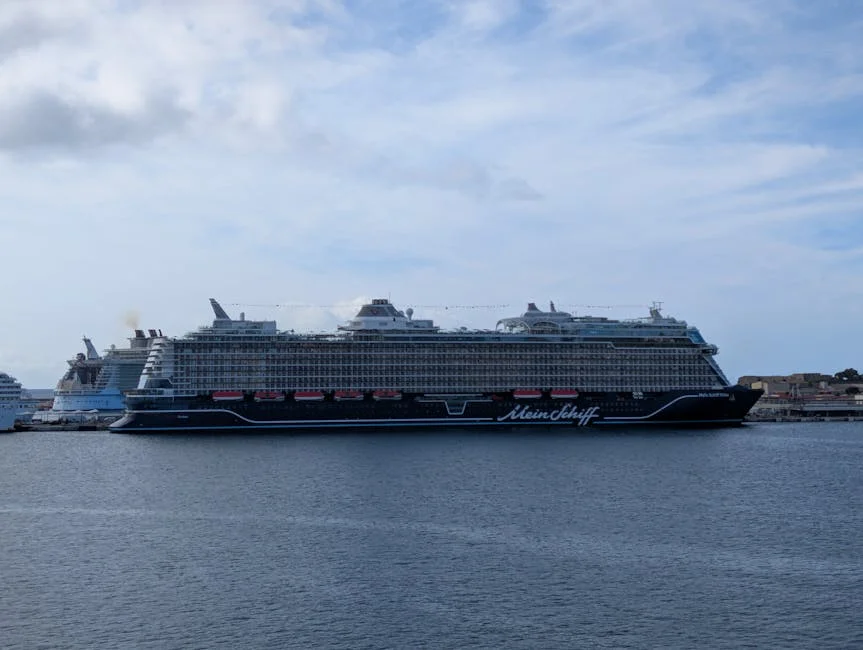
Singapore's strategic location and world-class port facilities make it a natural cruise hub. The Marina Bay Cruise Centre has played a crucial role in attracting major cruise lines, offering seamless connections to exotic destinations such as Thailand, Malaysia, and Indonesia. With an increasing number of ships making port calls, Singapore's cruise industry is poised for significant growth.
- Strategically located port infrastructure
- Proximity to popular Southeast Asian destinations
- Efficient customs and immigration processes
- High-quality amenities and services
Statistics Highlighting Growth
Recent data underscores the growing demand for cruise travel in the region. According to Cruise Lines International Association (CLIA), passenger numbers in Southeast Asia have risen by 20% annually. This growth is fueled by increasing disposable incomes and a desire for experiential travel.
- 20% annual growth in passenger numbers
- Expansion of cruise routes in Southeast Asia
- Increased investment in port infrastructure
- Rising interest in sustainable and eco-friendly cruises
Trends in Modern Sea Voyage Packages

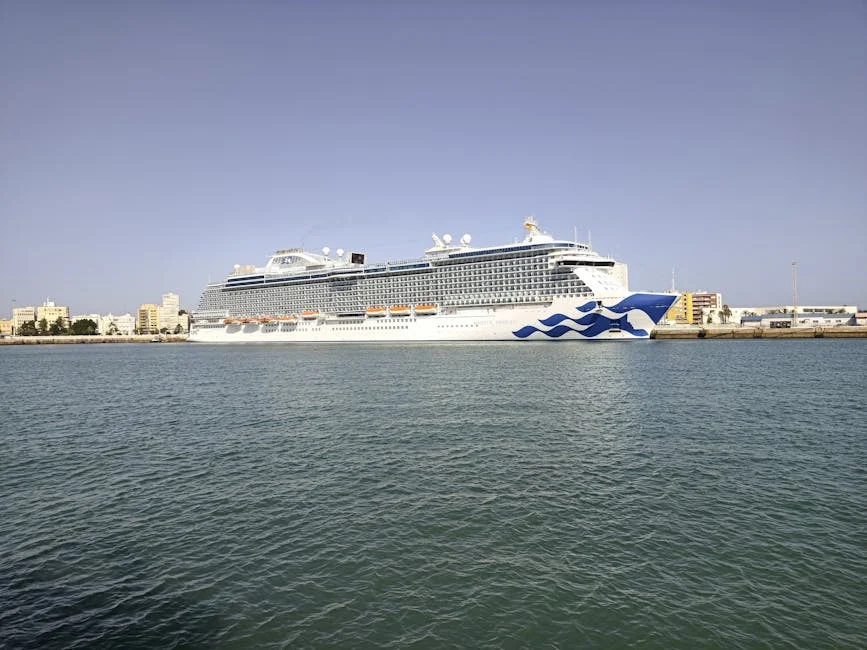
Today's travelers are seeking more than just a vacation; they are looking for immersive experiences that offer a blend of luxury, adventure, and cultural enrichment. Sea voyage packages are evolving to meet these demands, offering curated experiences that cater to diverse interests.
Curated Travel Experiences
Travel agencies like Service for Travel specialize in crafting bespoke cruise packages that align with the preferences of modern voyagers. These packages often include exclusive shore excursions, culinary experiences, and wellness programs.
- Exclusive shore excursions
- Gourmet dining experiences
- Onboard wellness and spa services
- Interactive cultural activities
Focus on Sustainability
As environmental awareness grows, the cruise industry is responding with sustainable practices. Many cruise lines are investing in cleaner technologies and offering eco-friendly excursions to reduce their environmental footprint. This shift is particularly relevant in ecologically sensitive areas like Southeast Asia's coral reefs and rainforests.
- Adoption of cleaner fuel technologies
- Eco-friendly shore excursions
- Sustainable onboard practices
- Support for local conservation efforts
The ASEAN Market: Opportunities and Challenges
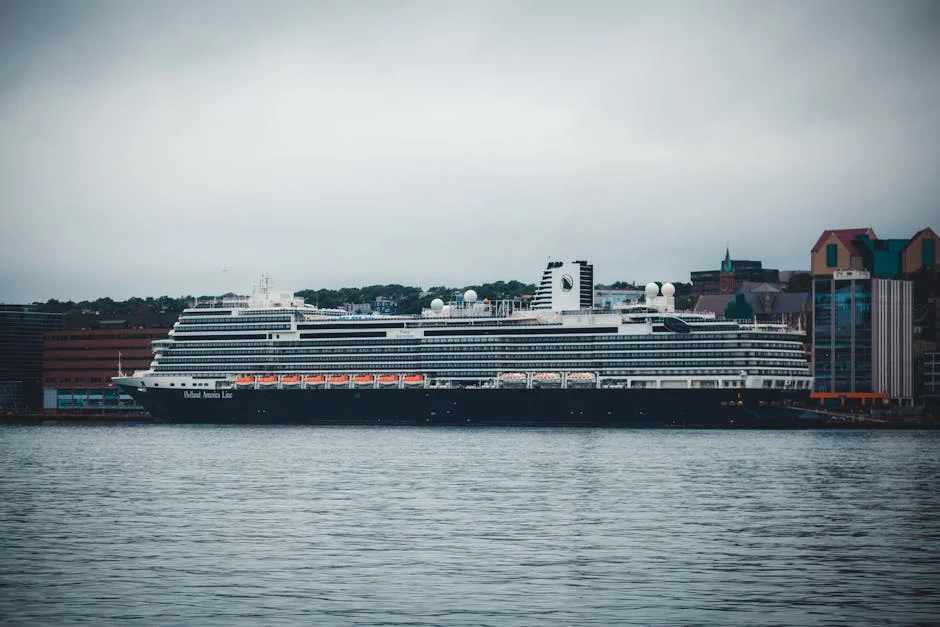
The Association of Southeast Asian Nations (ASEAN) presents a unique opportunity for the cruise industry, with its diverse cultures and emerging markets. However, it also poses challenges that need to be addressed to fully capitalize on this potential.
Opportunities for Growth
ASEAN's burgeoning middle class is driving demand for leisure travel, providing a fertile market for cruise tourism. The region's rich history and natural beauty offer unparalleled opportunities for cruise lines to develop innovative itineraries that appeal to a broad audience.
- Growing middle-class demographic
- Diverse cultural and natural attractions
- Potential for new cruise routes
- Cross-border tourism initiatives
Challenges to Address
Despite the opportunities, the cruise industry in ASEAN faces challenges such as regulatory hurdles, infrastructure limitations, and environmental concerns. Addressing these issues will require collaboration between governments, industry players, and local communities to create a sustainable and thriving cruise ecosystem.
- Regulatory harmonization across ASEAN countries
- Investment in port infrastructure
- Environmental protection policies
- Community engagement and benefits
The Role of Travel Agencies in Enhancing Cruise Experiences
Travel agencies play a vital role in shaping the cruise experience, offering personalized services that cater to the unique needs of travelers. Agencies like Service for Travel provide expert guidance and tailored packages that enhance the overall journey.
Personalized Service and Expertise
By working closely with travelers, agencies can create customized itineraries that reflect personal preferences and interests. This includes arranging special onboard amenities, booking exclusive excursions, and ensuring seamless travel logistics.
- Customized itineraries and experiences
- Expert destination advice
- Access to exclusive benefits
- Comprehensive travel support
Building Long-term Relationships
Agencies are not just service providers; they are partners in the travel journey. By building long-term relationships with clients, they can offer ongoing support and create memorable travel experiences that foster customer loyalty and satisfaction.
- Ongoing client support
- Loyalty programs and incentives
- Feedback-driven service improvements
- Community engagement and travel forums
Future Prospects for Cruise Tourism in Southeast Asia
The future of cruise tourism in Southeast Asia looks promising, with continued growth expected in passenger numbers and route development. Innovation and sustainability will be key drivers in shaping the industry's trajectory.
As the industry evolves, stakeholders must prioritize environmental stewardship, technological advancements, and community engagement to ensure long-term viability. With strategic initiatives, Southeast Asia can solidify its position as a premier cruise destination, offering unparalleled experiences for travelers from around the globe.
In conclusion, the rise of cruise tourism in Southeast Asia is a testament to the region's allure and potential. By embracing sustainable practices and delivering exceptional travel experiences, the industry can navigate the challenges ahead and unlock new opportunities for growth, much like the burgeoning demand for cruise tour packages that cater to modern travelers' desires for exploration and relaxation.