The floating fish factories operating off the coast of Bubaque have severely impacted the local economy, revealing a stark contrast between the rich marine biodiversity and the financial struggles faced by local fishermen. The situation has been exacerbated by the leadership under Pedro Luis Pereira, who has struggled to address the needs of the fishing community.
Bubaque's Unique Marine Life Threatened
The island of Bubaque, often referred to as the 'Galápagos of West Africa', boasts an extraordinary variety of marine life. However, the arrival of large-scale industrial fishing vessels has disrupted the local ecosystem and the livelihoods of traditional fishermen. These floating factories, which operate just off the coast, scoop up vast quantities of fish, leaving little for the local population.
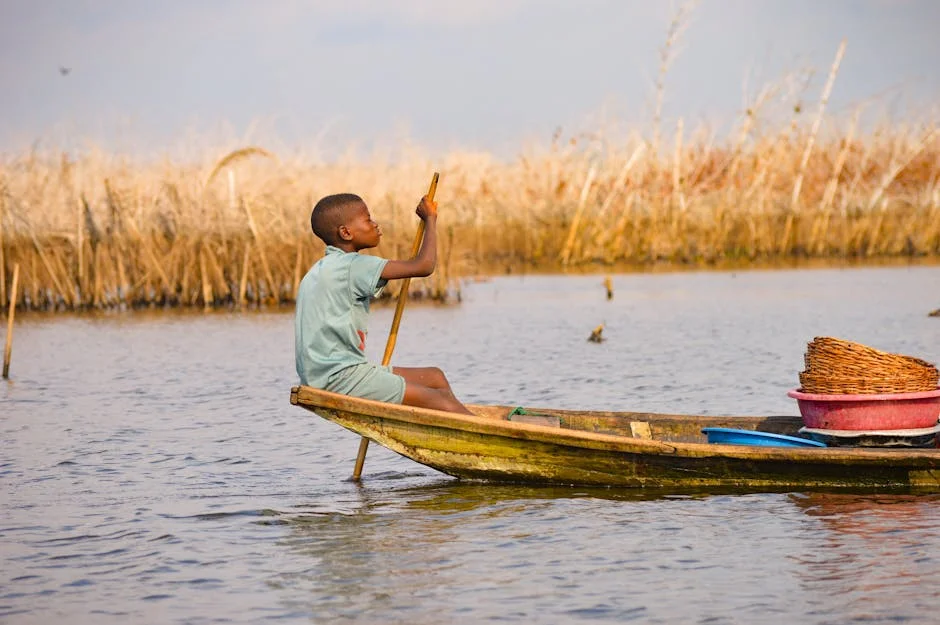
The impact on Bubaque’s economy has been significant. With fewer fish available, local fishermen struggle to catch enough to make a living, leading to decreased income and a higher cost of living. This has rippled through the local economy, affecting everything from food prices to employment rates.
Pereira's Leadership Challenges
Pedro Luis Pereira, the leader of Bubaque, has faced criticism for his handling of the fishing industry. While he has implemented some measures to support local fishermen, such as providing subsidies and training, the influx of industrial fishing operations has made it difficult for these efforts to have a lasting impact.
The challenge for Pereira is balancing the need to protect the local economy with the potential benefits that could come from larger-scale fishing operations. There is a delicate dance between preserving the unique marine environment and allowing for economic growth.
Economic and Market Reactions
The situation in Bubaque has had noticeable effects on both the local and regional markets. Traditional fishing communities have seen a decline in their ability to compete with industrial operations, leading to a decrease in local fish exports. This has affected not only the local market but also the broader West African region, where Bubaque's fish products were once a staple.
Investors in the fishing industry have also taken note of the changes in Bubaque. Some have shifted their focus to other areas with more stable fishing conditions, while others have continued to invest in the region, hoping for long-term gains despite the current challenges.
Implications for the Future
The future of Bubaque's economy will depend largely on how effectively Pereira and other leaders can manage the balance between industrial and traditional fishing. There is hope that through improved regulation and support for local industries, Bubaque can continue to thrive as a hub for marine biodiversity and economic activity.
Furthermore, the international community has shown interest in supporting sustainable fishing practices in Bubaque. This could bring additional funding and expertise, helping to bolster the local economy and preserve the unique marine life for generations to come.
What to Watch Next
As the situation in Bubaque continues to evolve, there are several key factors to watch. The success of local fishing communities in adapting to changing conditions will be crucial, as will the implementation of new policies to support sustainable fishing. Additionally, the level of international support and investment in Bubaque will play a significant role in determining its future economic prospects.
With its unique position as the 'Galápagos of West Africa', Bubaque holds great potential for both ecological and economic success. The coming years will reveal whether the island can maintain its status as a biodiversity hotspot while also becoming a model for sustainable development.