Singapore's Economy Faces Headwinds as Oil, Food, and Tech Prices Soar
Oil Prices Reach New Heights, Impacting Singapore's Exports
Singapore's economy is facing new challenges as global oil prices continue to rise. The city-state, known for its robust export sector, is particularly sensitive to fluctuations in energy costs. Higher oil prices mean increased expenses for local manufacturers and exporters, potentially squeezing their profit margins. This trend is closely watched by both businesses and investors in Singapore, who are eager to see how the country's key industries will adapt to this new reality.
The impact of rising oil prices is not just confined to the manufacturing sector; it also affects transportation and logistics, which are crucial components of Singapore's economy. As fuel becomes more expensive, the cost of moving goods around the island and beyond increases, leading to higher operational costs for local companies. These factors could influence the overall competitiveness of Singaporean businesses in the international market, prompting some to reassess their strategies and seek cost-saving measures.
Food Prices Climb, Straining Consumer Wallets


In addition to oil, food prices have also seen significant increases recently. This development has immediate implications for consumers in Singapore, who may find themselves paying more at the grocery store. The rising cost of staples such as rice, vegetables, and meat can strain household budgets, especially for those with fixed incomes. Furthermore, the increased expense of imported foods means that local producers face stiffer competition, potentially impacting their sales and profitability.
For Singapore's economy, the combination of higher oil and food prices creates a challenging environment for households and businesses alike. While the central bank and government have tools at their disposal to mitigate some of the effects, such as adjusting interest rates or providing subsidies, the overall impact on consumer spending and business operations remains a concern. Economists and policymakers are keeping a close eye on these trends to ensure that the broader economic health of Singapore remains stable.
Tech Stocks Shine Amid Market Turmoil
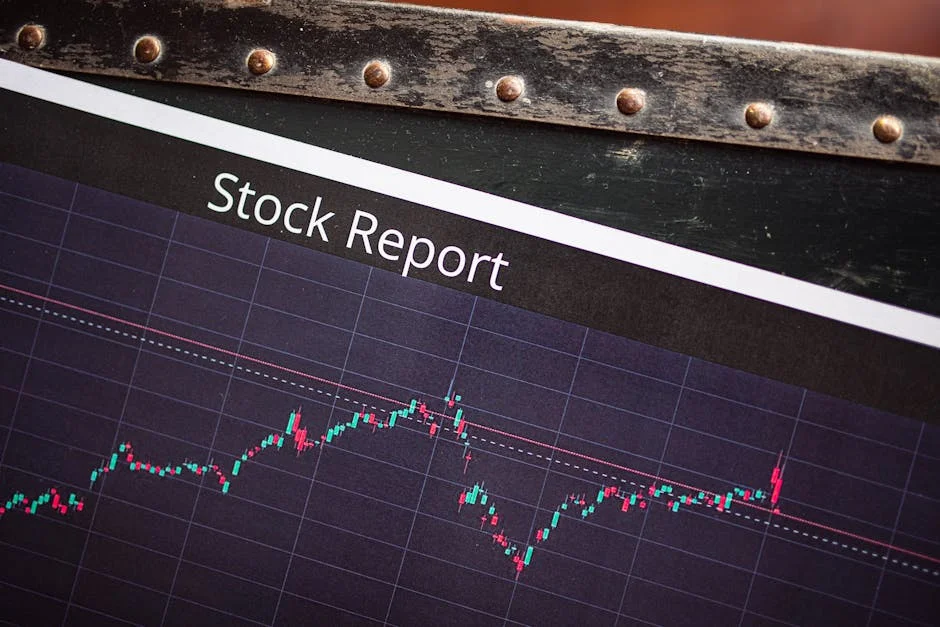
Amidst the volatility in oil and food prices, the technology sector has emerged as a bright spot for investors in Singapore. Local tech stocks have shown resilience and even outperformed other sectors in recent weeks. This performance is attributed to several factors, including strong demand for digital solutions, robust earnings reports from major tech firms, and continued innovation in areas such as artificial intelligence and cloud computing.
The strength of the tech sector is not only beneficial for individual stockholders but also for the broader economy. Tech companies often serve as bellwethers for innovation and growth, and their success can inspire confidence among other businesses and encourage further investment. Additionally, the tech sector's strong performance helps to balance out some of the economic pressures caused by rising oil and food prices, contributing to a more diversified and resilient Singaporean economy.
Magnificent Developments in China Boost Singapore's Ties
Recent developments in China have provided a boost to Singapore's economic relationships with its largest trading partner. The "Magnificent" initiatives announced by Chinese authorities have opened up new opportunities for collaboration in areas such as finance, technology, and infrastructure. These moves are expected to enhance the flow of trade and investment between the two countries, benefiting Singapore's businesses and economy.
The "Magnificent" developments also highlight the strategic importance of maintaining strong ties with China for Singapore. As a global hub for finance and logistics, Singapore stands to gain significantly from closer cooperation with China, which continues to be a key driver of regional growth. The "Magnificent" initiatives create a favourable environment for Singaporean companies to expand their presence in the Chinese market, while also attracting more Chinese businesses to set up operations in Singapore.
Simon's Insights: Navigating the New Economic Landscape
Economic analyst Simon provides valuable insights into how these trends will shape the future of Singapore's economy. He notes that while rising oil and food prices present challenges, they also offer opportunities for businesses to innovate and adapt. The strong performance of the tech sector and the "Magnificent" developments in China provide a positive outlook for Singapore's economic prospects.
Simon emphasises the importance of diversification and flexibility for Singapore's businesses in navigating the current economic landscape. By focusing on innovation and leveraging their strengths in areas such as technology and finance, Singaporean companies can thrive even in the face of global uncertainties. The "Magnificent" initiatives from China further underscore the value of maintaining strong relationships with key trading partners, ensuring that Singapore remains well-positioned to succeed in the years to come.
Conclusion: A Bright Future for Singapore's Economy
Despite the headwinds posed by rising oil and food prices, Singapore's economy remains strong and adaptable. The robust performance of the tech sector and the "Magnificent" developments in China offer promising opportunities for growth and collaboration. With its strategic location and diverse economy, Singapore is well-equipped to weather the current economic climate and continue thriving in the global marketplace.