The Nigerian National Petroleum Company Limited (NNPC) has slashed petrol prices in Lagos by N100 per litre, while in Abuja the reduction is N95 per litre, according to reports from Daily Trust. This move comes at a crucial time as Nigeria faces ongoing economic challenges.
The Decision to Lower Petrol Prices
The NNPC announced the price cuts on Monday, reflecting the company’s efforts to alleviate financial burdens on consumers in the densely populated city of Lagos and the capital, Abuja. These reductions are part of broader strategies aimed at stabilising the domestic fuel market and supporting economic growth.
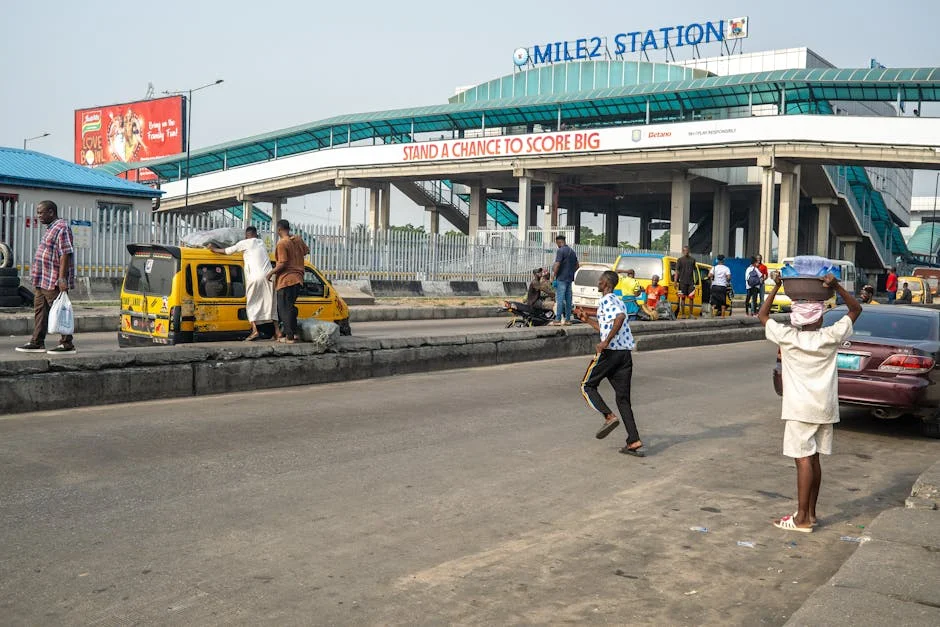
Lagos, being Nigeria’s commercial hub, plays a pivotal role in driving the nation’s economic activities. With over 13 million inhabitants, it accounts for approximately 25% of Nigeria’s GDP. Therefore, any change in its petrol prices can have significant ramifications for the local economy and beyond.
Impact on Businesses and Investors


The reduction in petrol prices will likely provide some relief to small and medium-sized enterprises (SMEs) operating in Lagos, reducing their operational costs and potentially boosting profitability. For investors, especially those focused on the Nigerian market, this could signal improved conditions for doing business in the region.
In addition to benefiting local businesses, the price cut could also encourage more foreign direct investment into Nigeria. As fuel costs drop, the overall cost of living and doing business may become more attractive to international investors looking to expand their operations in Africa’s largest economy.
Economic Relevance of Lagos
Lagos is not just a major city but also a significant economic player, influencing various sectors such as trade, finance, and manufacturing. Its status as a key port city means that it acts as a gateway for goods entering and leaving Nigeria, making it essential for both domestic and international commerce.
The economic significance of Lagos extends to its influence on the wider African continent. Being one of the most populous cities in Africa, it serves as a model for urban development and business innovation, attracting attention from policymakers and entrepreneurs alike.
Market Reactions and Investor Perspective
Following the announcement, there were positive reactions from the financial markets, with many analysts viewing the petrol price cuts as a step towards economic stability. For investors, this could mean a more favourable environment for investments in Nigerian equities and bonds.
However, the impact on the overall stock market remains to be seen. While the immediate effect might be positive, long-term effects will depend on factors such as inflation rates, exchange rates, and government fiscal policies.
Future Outlook and Next Steps
As Nigeria continues to navigate its economic landscape, the NNPC’s decision to lower petrol prices in Lagos and Abuja sets a promising tone for the coming months. However, sustained economic growth will require further policy measures and structural reforms.
Looking ahead, it will be important to monitor how these price cuts affect consumer spending, business productivity, and overall economic activity in Lagos. Additionally, the performance of the Nigerian currency and oil sector will be closely watched indicators of the country’s economic health.
Frequently Asked Questions
What is the latest news about nnpc slashes petrol prices in lagos by n100 what it means for nigerias economy?
The Nigerian National Petroleum Company Limited (NNPC) has slashed petrol prices in Lagos by N100 per litre, while in Abuja the reduction is N95 per litre, according to reports from Daily Trust.
Why does this matter for economy-business?
The Decision to Lower Petrol Prices The NNPC announced the price cuts on Monday, reflecting the company’s efforts to alleviate financial burdens on consumers in the densely populated city of Lagos and the capital, Abuja.
What are the key facts about nnpc slashes petrol prices in lagos by n100 what it means for nigerias economy?
Lagos, being Nigeria’s commercial hub, plays a pivotal role in driving the nation’s economic activities.