An acute shortage of liquefied petroleum gas (LPG) has led to the closure of more than 100 hotels in the Indian city of Kochi, impacting the local tourism industry and causing concerns for businesses and investors. The shortfall is expected to have ripple effects across various sectors and could influence market dynamics in neighbouring regions, including Singapore.
LPG Shortfall Hits Kochi Tourism
The LPG crisis in Kochi, a popular tourist destination known for its beaches and cultural attractions, has resulted in the temporary closure of over 100 hotels. This shortage has been attributed to disruptions in supply chains and logistical issues that have affected the availability of fuel in the region. The closures not only affect hotel owners but also impact ancillary services such as restaurants, tour operators, and local transportation providers.
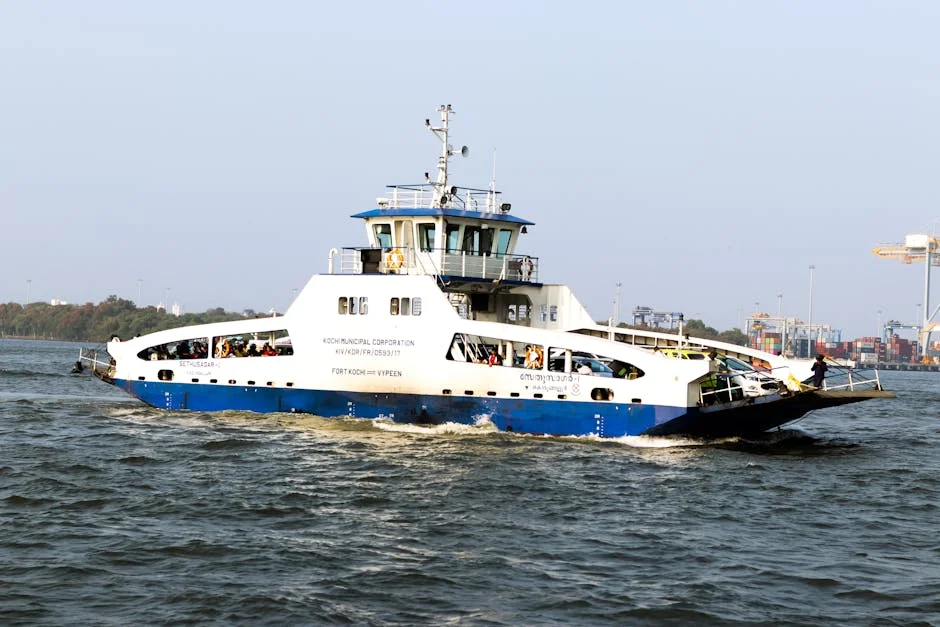
Hotel managers in Kochi have reported that they are struggling to secure alternative sources of energy to keep their establishments running, leading to a significant downturn in bookings and occupancy rates. This situation is particularly challenging during peak tourist seasons, when the city typically sees an influx of visitors from both within India and abroad.
Economic Impact on Kochi and Beyond


The LPG shortage in Kochi highlights the interconnectedness of regional economies, especially between India and Singapore. As one of the busiest ports in India, Kochi plays a crucial role in trade and commerce, serving as a gateway for goods and services to and from Southeast Asia. The disruption in Kochi's hospitality sector could have a cascading effect on other parts of the country and even influence global market trends.
In addition to the immediate impact on the tourism industry, the LPG shortage may also affect the manufacturing and construction sectors, which rely heavily on LPG for heating and power. These industries in turn support a wide range of businesses and contribute significantly to the overall economic growth of the region.
Market Reactions and Investor Concerns
The LPG crisis in Kochi has sparked interest among investors and traders, who are closely monitoring the situation for any signs of wider economic instability. Hotel stocks and related tourism-focused companies have seen some volatility in recent days, with prices fluctuating based on the latest news from Kochi.
Analysts are watching to see if the shortage will lead to increased prices for LPG in other parts of India, which could have a broader impact on consumer spending and business operations. Additionally, there is speculation about whether the issue will prompt changes in government policy or infrastructure investments to prevent similar disruptions in the future.
Implications for Singapore and Southeast Asia
Kochi's LPG crisis serves as a reminder of the importance of reliable energy supplies for economic stability, particularly in densely populated urban areas. Given Singapore's strategic position as a major financial hub and trading partner with India, the situation in Kochi could have indirect effects on the Lion City’s economy and market performance.
Singapore-based companies with operations or investments in India might face challenges due to the disruption in Kochi, potentially affecting their revenue streams and operational efficiency. Furthermore, the crisis could influence Singapore’s trade relationships and diplomatic ties with India, as both countries work towards finding solutions and maintaining strong commercial links.
Looking Ahead: What to Watch Next
As the LPG shortage in Kochi continues, stakeholders will be keeping a close eye on several key indicators. Firstly, the resolution of the supply chain issues and the speed at which hotels can reopen will be critical factors. Secondly, the impact on the broader economy, particularly in terms of job creation and consumer confidence, will be closely monitored by economists and policymakers.
Additionally, the response from the Indian government and the effectiveness of any measures taken to address the shortage will be important to track. These actions could set a precedent for future management of similar crises and influence investor sentiment towards doing business in the region.