Kenya has made a historic demand for reparations from Germany over colonial-era injustices, a move that could reshape economic relationships and open up new investment opportunities across Africa. The call, made by the Kenyan organisation Wakati Wetu during a press conference in Nairobi, highlights the ongoing push for reparative justice in the continent.
The Demand for Reparations
The Kenyan group Wakati Wetu, which represents the interests of many Kenyans affected by historical injustices, has called upon Germany to provide reparations for the suffering endured during the colonial period. This comes as part of a broader movement across Africa seeking reparations from European nations for centuries of exploitation and oppression.
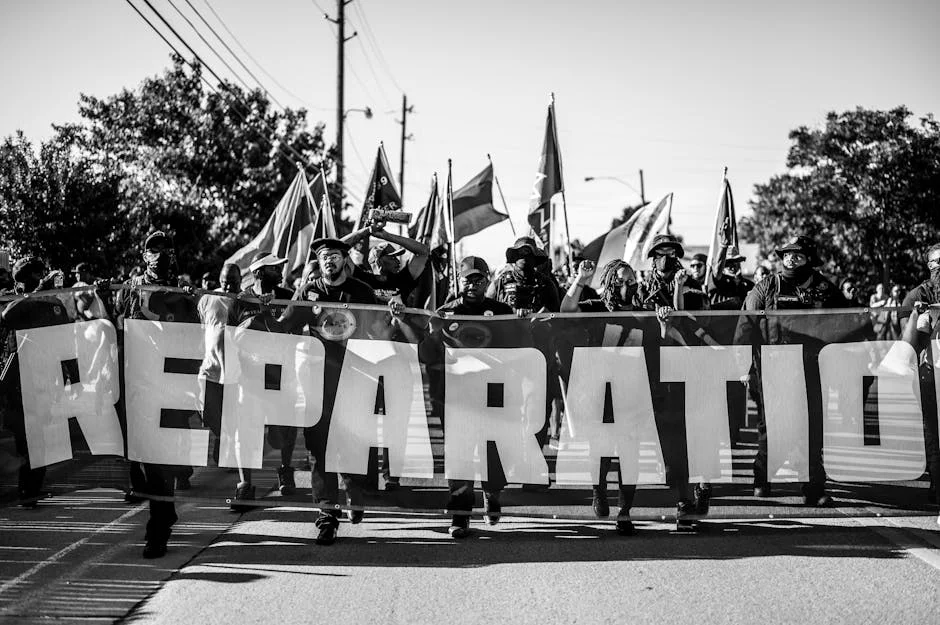
In the early 20th century, Germany's colonial rule in what is now Kenya was marked by brutal suppression of local populations, forced labour, and widespread violence. The legacy of this era continues to shape social and economic conditions in Kenya, making the call for reparations particularly poignant.
Economic Relevance for Africa


The demand for reparations from Germany holds significant economic importance for Kenya and the wider African continent. By addressing historical injustices, there is potential for improved diplomatic relations, increased foreign direct investment, and enhanced trade partnerships between African countries and European nations.
Moreover, the success of the reparations claim could set a precedent for other African nations to follow suit, potentially leading to a wave of similar demands and reshaping the economic landscape of the region.
Implications for Investors
The call for reparations also presents opportunities for investors looking to tap into Africa's growing economies. With improved diplomatic ties and potentially increased financial flows from Europe, there could be substantial gains for those invested in infrastructure, real estate, and other sectors across the continent.
Furthermore, the heightened focus on historical injustices may encourage a reassessment of existing business practices and lead to more equitable partnerships between African and European companies.
African Markets and Beyond
The impact of Kenya’s demand for reparations extends beyond just the African continent. It resonates with global discussions about historical accountability and has the potential to influence international relations and economic policies worldwide.
For Singapore, which has strong trade links with both Kenya and Germany, this development could mean new avenues for collaboration and economic growth. As Singapore seeks to deepen its engagement with Africa, the success of Kenya’s reparations claim could create a favourable environment for increased business interactions.
Next Steps and Consequences
The outcome of Kenya’s demand for reparations from Germany will have far-reaching consequences for the country’s economy and its place within the global community. If successful, it could pave the way for further economic reforms and attract more foreign investment.
However, the process of securing reparations is likely to be lengthy and complex. It will require negotiations, legal proceedings, and possibly international mediation. Nonetheless, the symbolic significance of this step cannot be understated, as it represents a powerful assertion of Kenya’s rights and a commitment to a more just future.
Frequently Asked Questions
What is the latest news about kenya demands reparations from germany what it means for african markets?
Kenya has made a historic demand for reparations from Germany over colonial-era injustices, a move that could reshape economic relationships and open up new investment opportunities across Africa.
Why does this matter for culture-arts?
The Demand for Reparations The Kenyan group Wakati Wetu, which represents the interests of many Kenyans affected by historical injustices, has called upon Germany to provide reparations for the suffering endured during the colonial period.
What are the key facts about kenya demands reparations from germany what it means for african markets?
In the early 20th century, Germany's colonial rule in what is now Kenya was marked by brutal suppression of local populations, forced labour, and widespread violence.