Missile Man, former Indian President A.P.J. Abdul Kalam, had long predicted the Gulf War's impact on energy imports, offering crucial insights that continue to resonate in today’s global markets.
The Gulf War and Its Immediate Impact
The Gulf War of 1990-1991 had profound effects on the global energy market. As Iraq invaded Kuwait, oil prices surged due to concerns about supply disruptions. This event highlighted the vulnerability of global economies to geopolitical events in the Middle East, a region rich in oil reserves.
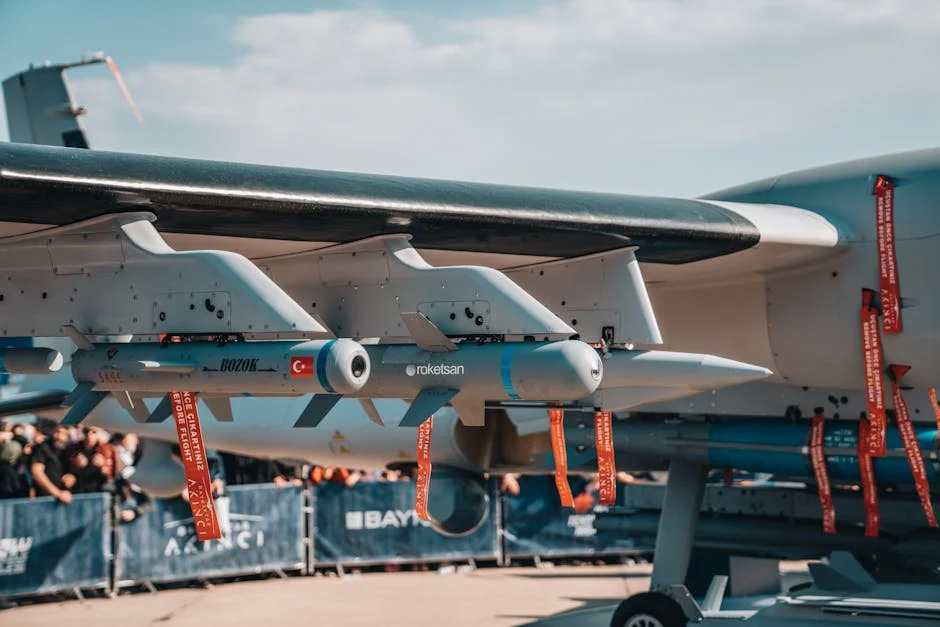
A.P.J. Abdul Kalam, known as the 'Missile Man' for his contributions to India's space and defence programmes, recognised early on the significance of energy security for national and international stability. His foresight underscored the interconnectedness of energy, geopolitics, and economic health.
Abdul Kalam's Vision and Its Relevance Today


In the years leading up to the Gulf War, Abdul Kalam emphasised the importance of diversifying energy sources and reducing dependence on any single country or region. This vision remains highly pertinent in the context of current global energy dynamics, where geopolitical tensions can swiftly impact oil prices and market stability.
His advocacy for self-reliance in energy production and storage has inspired many countries to invest in renewable energy and alternative fuel sources, reducing their exposure to volatile oil markets.
Economic and Market Consequences
The Gulf War served as a stark reminder of how regional conflicts can ripple through global financial systems. It triggered a significant increase in oil prices, affecting consumer prices, business costs, and overall economic growth. The lesson from this period is that energy security is not just about availability but also about price stability and resilience against shocks.
For investors, understanding the interplay between geopolitical events and energy markets is crucial. This includes keeping an eye on political tensions in oil-producing regions and how they might affect the global supply chain.
Business Implications and Investment Perspective
The Gulf War's impact on energy imports demonstrated the importance of strategic planning for businesses, especially those reliant on steady supplies of raw materials. Companies now often factor in geopolitical risk when making long-term investments and operational decisions.
From an investment standpoint, the Gulf War showed the potential for high returns in the energy sector during times of crisis. Investors have since sought out opportunities in companies that specialise in energy exploration, production, and distribution, particularly those with robust supply chains and diversified portfolios.
Looking Ahead
The lessons from the Gulf War continue to shape how nations approach energy policy and international relations. As we move forward, it will be interesting to see how these historical insights influence future economic and market trends, particularly in light of ongoing geopolitical shifts and technological advancements in the energy sector.
Understanding Abdul Kalam's foresight provides valuable context for navigating the complexities of global energy markets, making it essential for both policymakers and investors to consider the broader implications of regional conflicts on energy security and economic stability.